ROV analysis, offshore compliance, and building AI for marine inspection
Notes from the Ecodetect team on what we are learning from the early-access programme and the inspection problems we are working to solve.
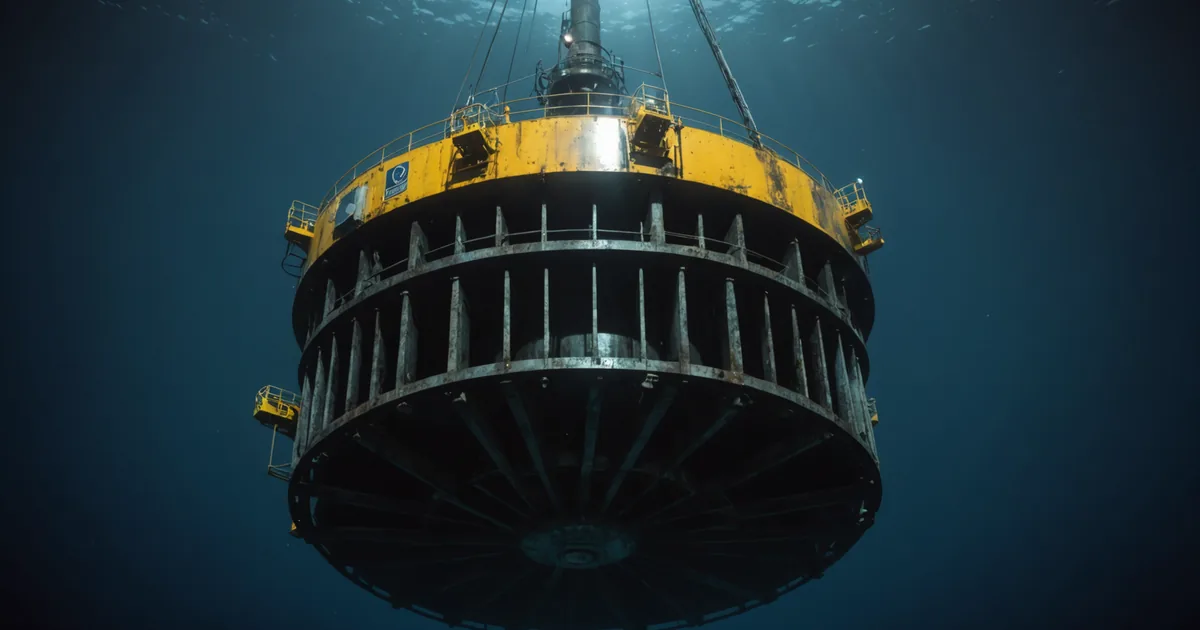
Manual video review is reliable for obvious defects. It struggles with the subtle corrosion patterns that develop across multiple frames and surveys, the kind that predicts structural degradation six months before it becomes a visible problem.
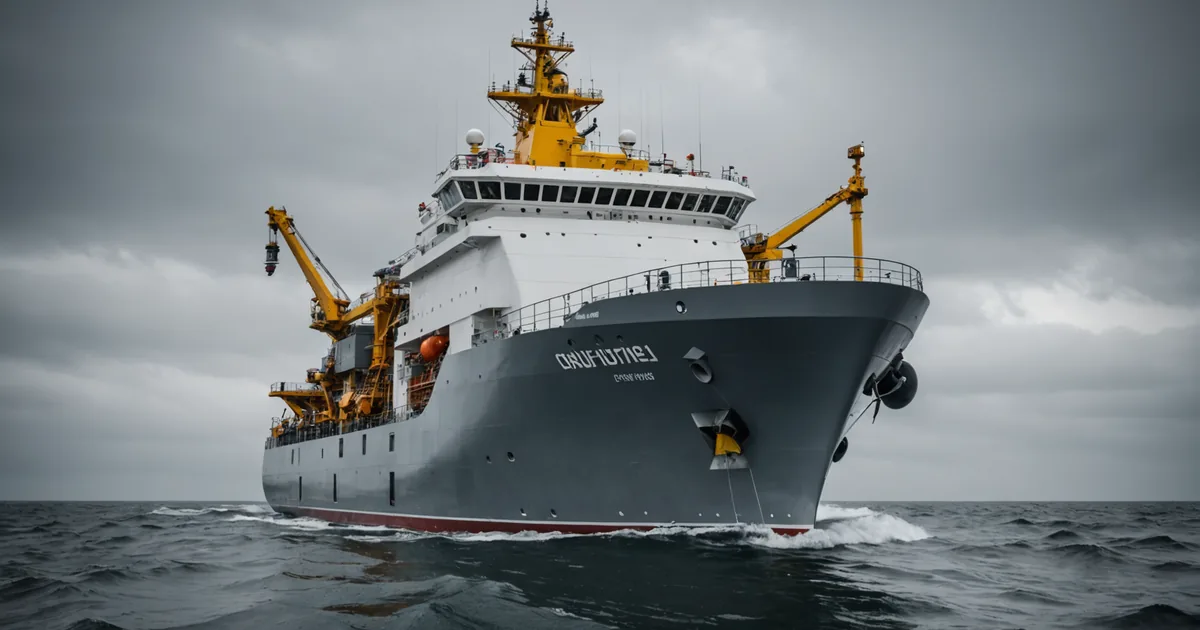
A practical guide to the full offshore inspection chain, from footage capture on the vessel to the final compliance document on the asset manager's desk.
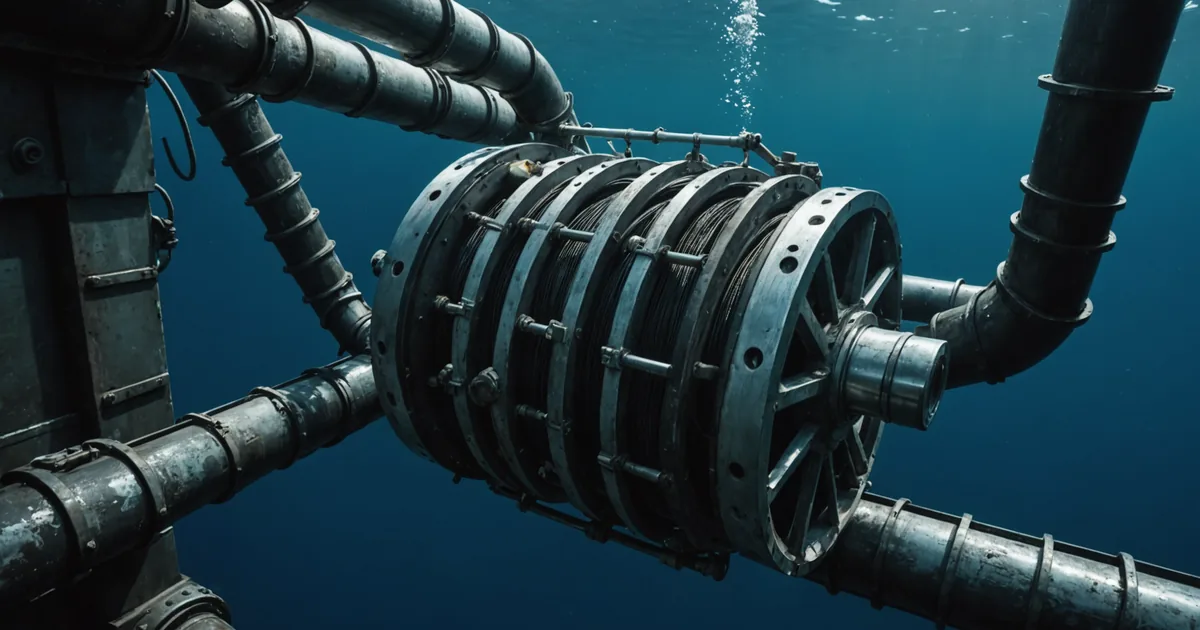
J-tubes present a specific detection challenge. Here we share what we learned training detection models on J-tube survey footage from our early-access cohort.
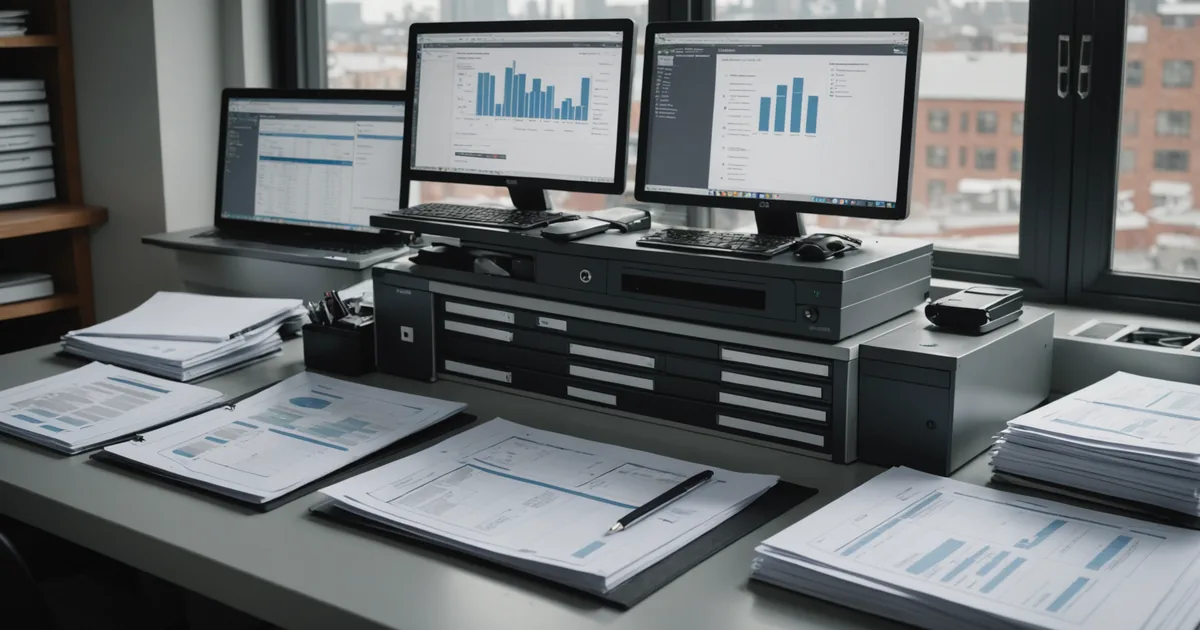
The footage is captured in days. The report takes six weeks. We mapped the bottlenecks across four North Sea operator programmes.
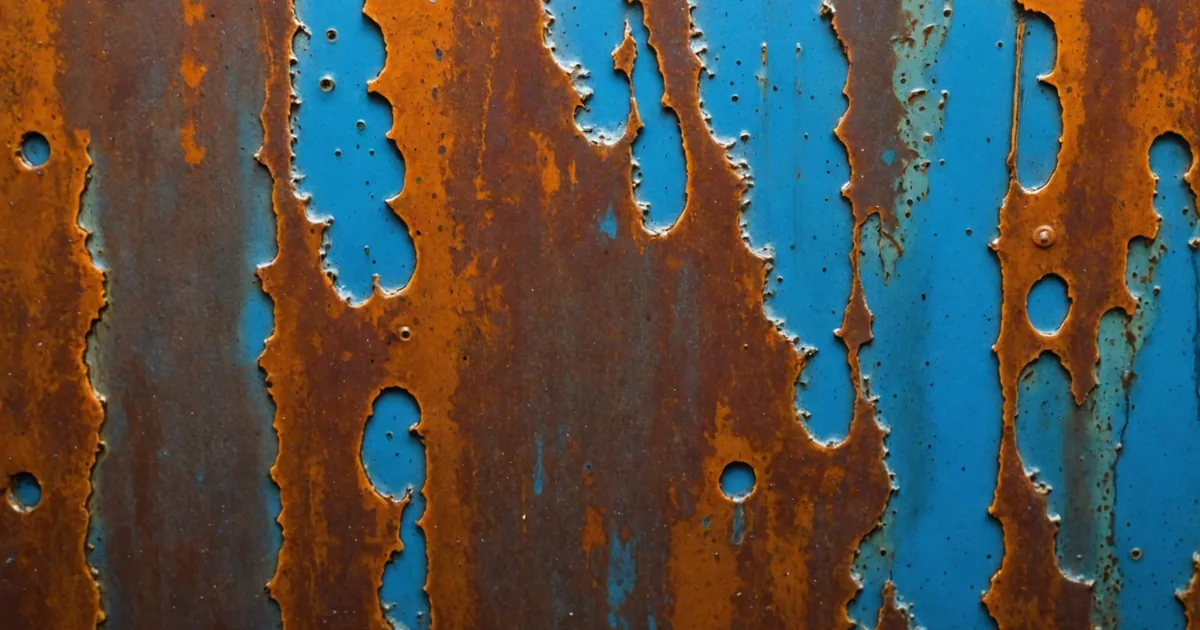
Annotating subsea corrosion footage is not like annotating road-scene images. Visibility varies and the same defect can look entirely different under different ROV lighting.
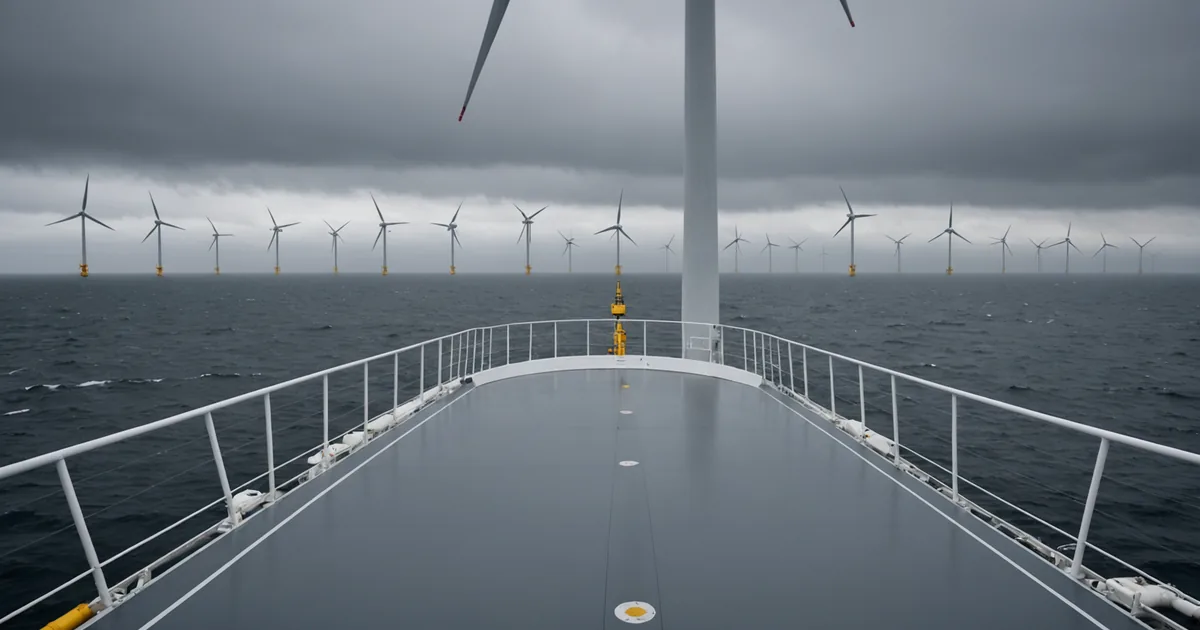
When an offshore wind operator spends more on the inspection report than on the survey vessel, something is wrong with the workflow.
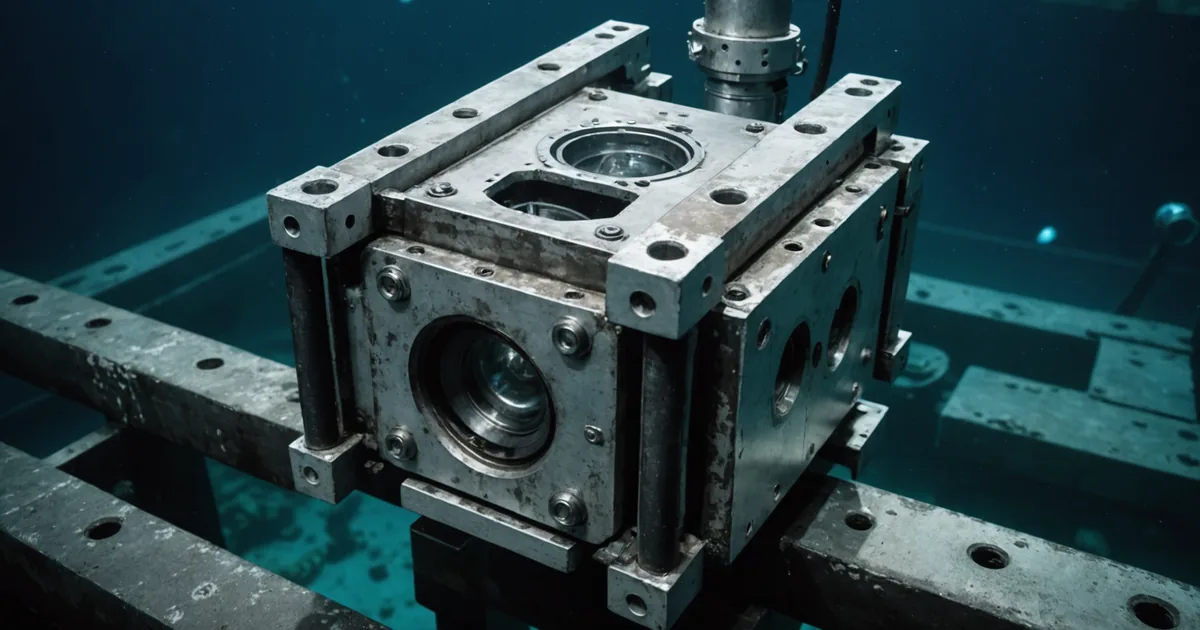
We ran a beta programme testing CV-based anode depletion detection from standard ROV footage. Here is what the results showed.
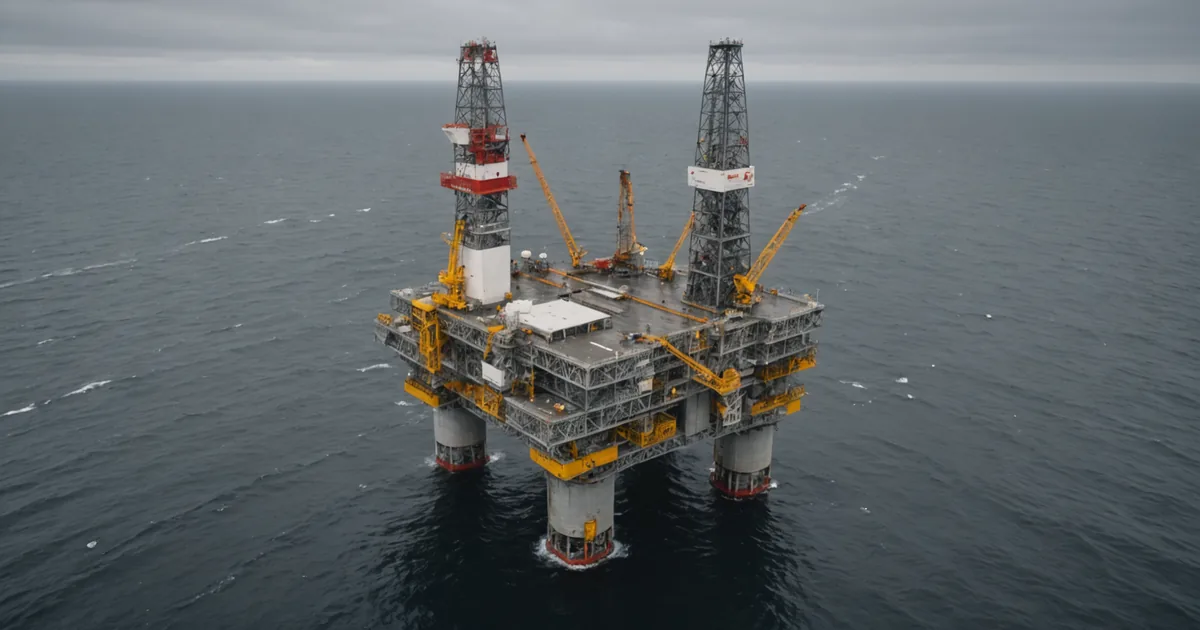
OSPAR sets environmental discharge and maintenance obligations for offshore operators in UK and EU waters. This article maps the documentation requirements.
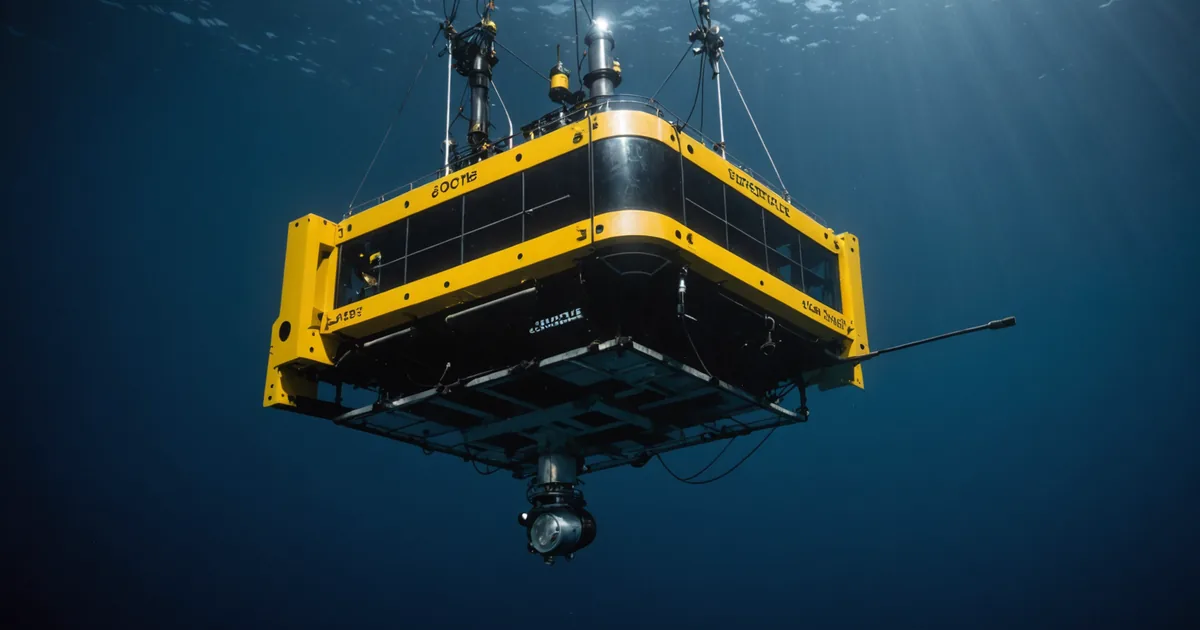
Anomaly detection results can feed directly into condition-based maintenance models, shifting programmes from calendar-based to risk-based resurvey scheduling.
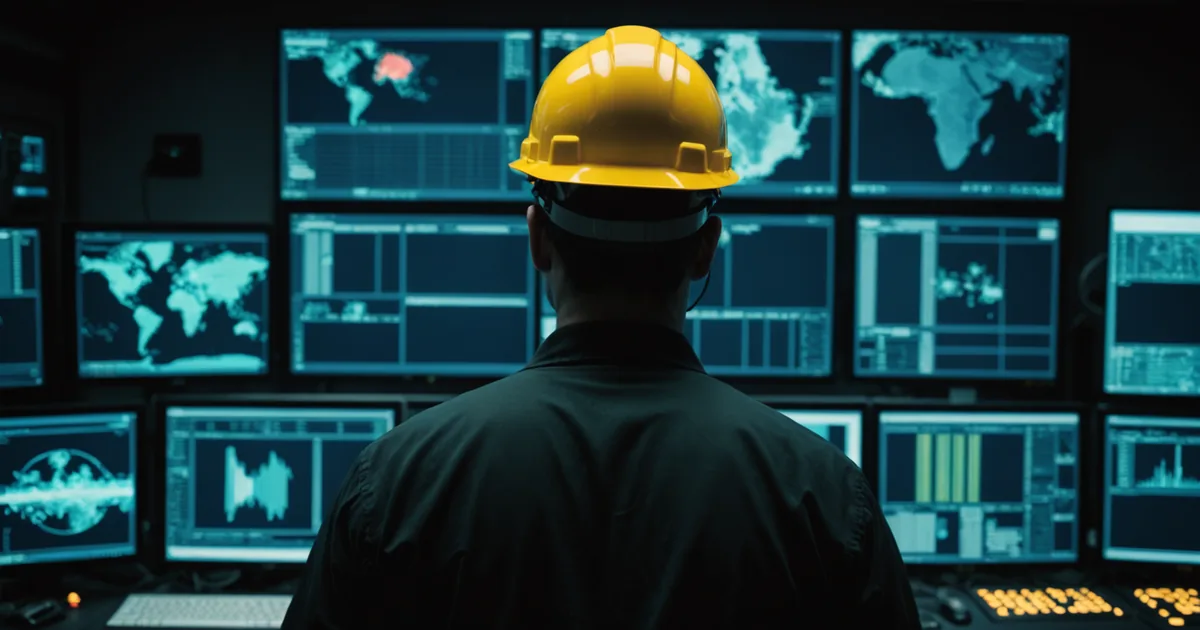
A 68% confidence score on a subsea crack detection is not the same as one on a road-sign classifier. What CV confidence scores mean in inspection context.
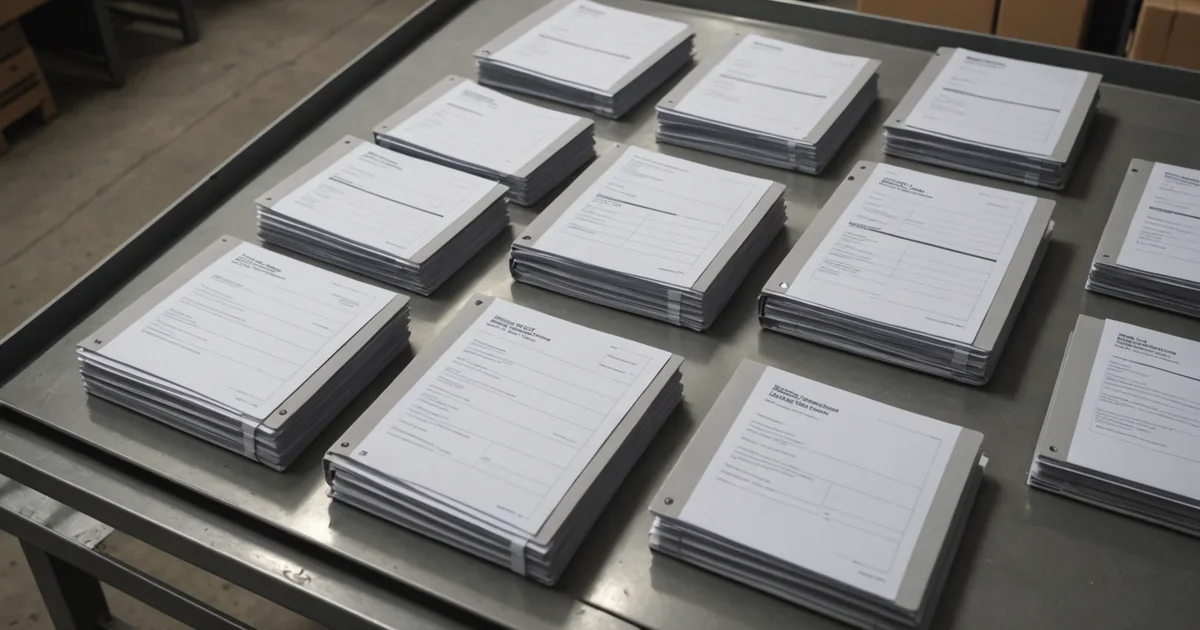
Survey footage is ready within 24 hours of the vessel returning to port. The inspection report takes weeks. The bottleneck is not analysis, it is documentation assembly.
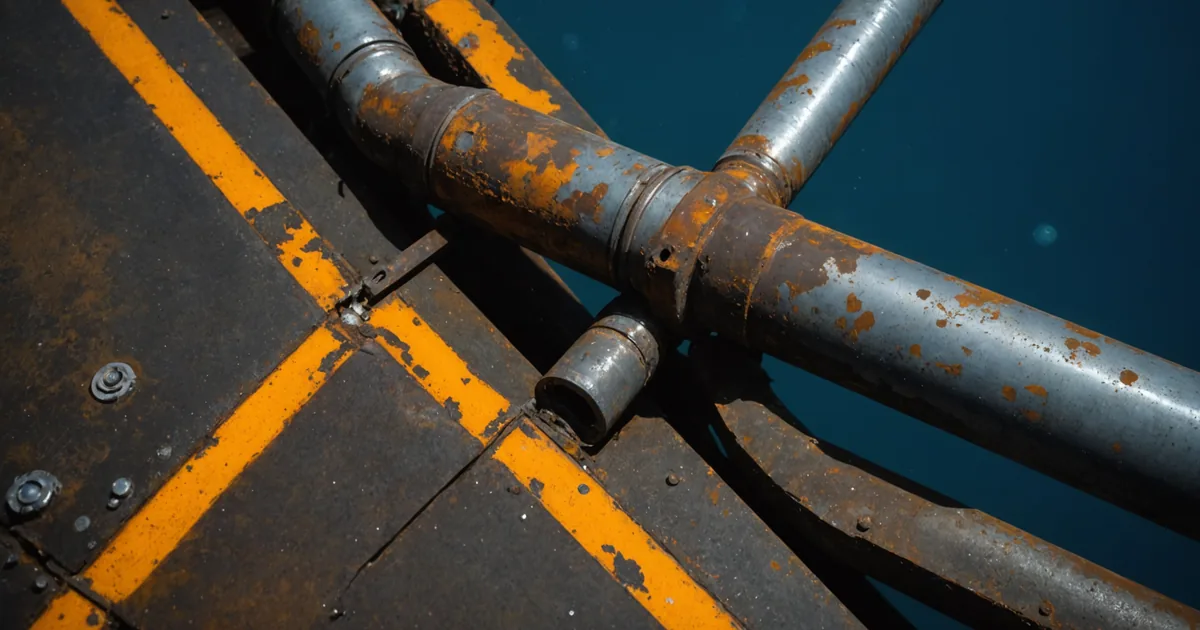
A historical record of anomaly progression across multiple surveys is where inspection data becomes maintenance intelligence. How structured detection outputs power condition trend analysis.